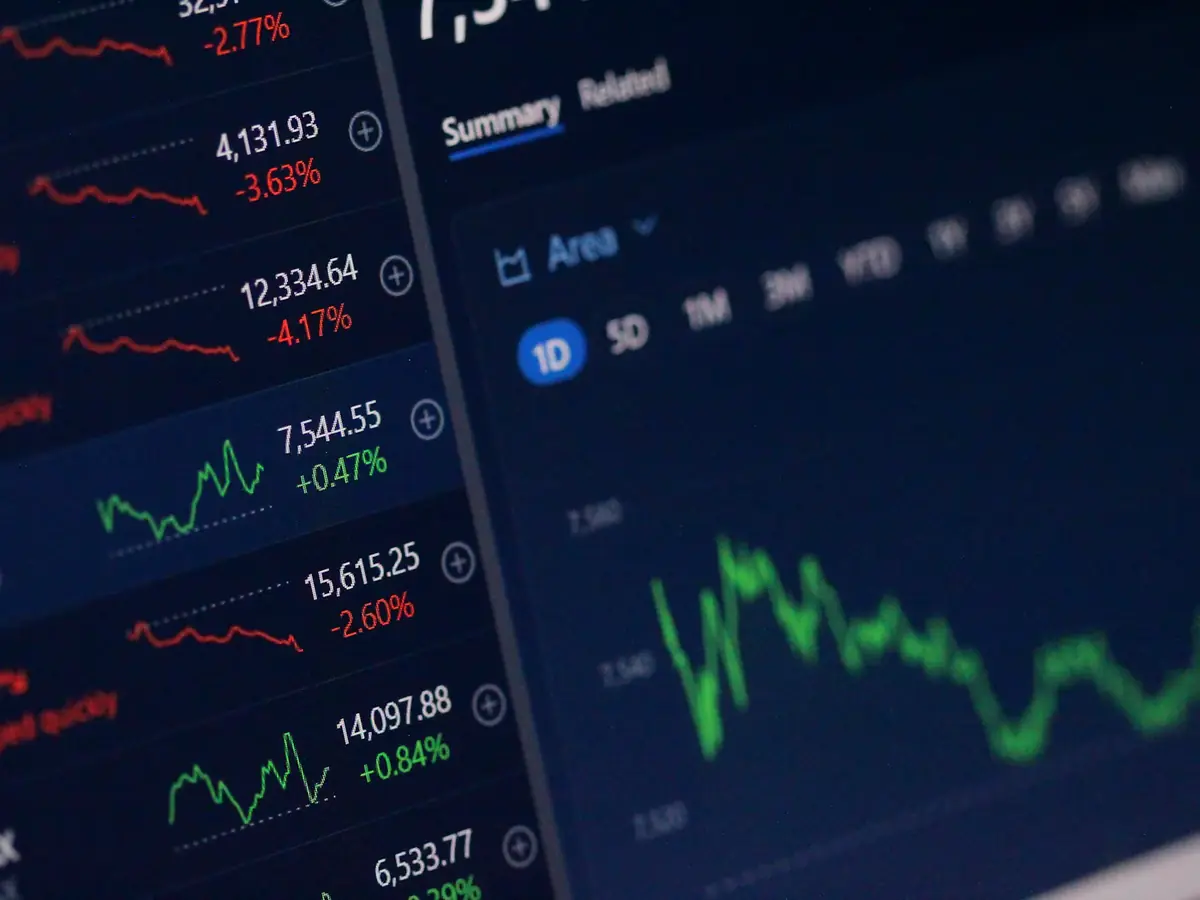

Every month a supplier receives thousands of metering and master data files from the SII, for electricity and for gas. Downloading them by hand does not scale: here is how an automatic connector for the SII cloud works, what it must check and how the data turns into forecasts, offers and scheduling.
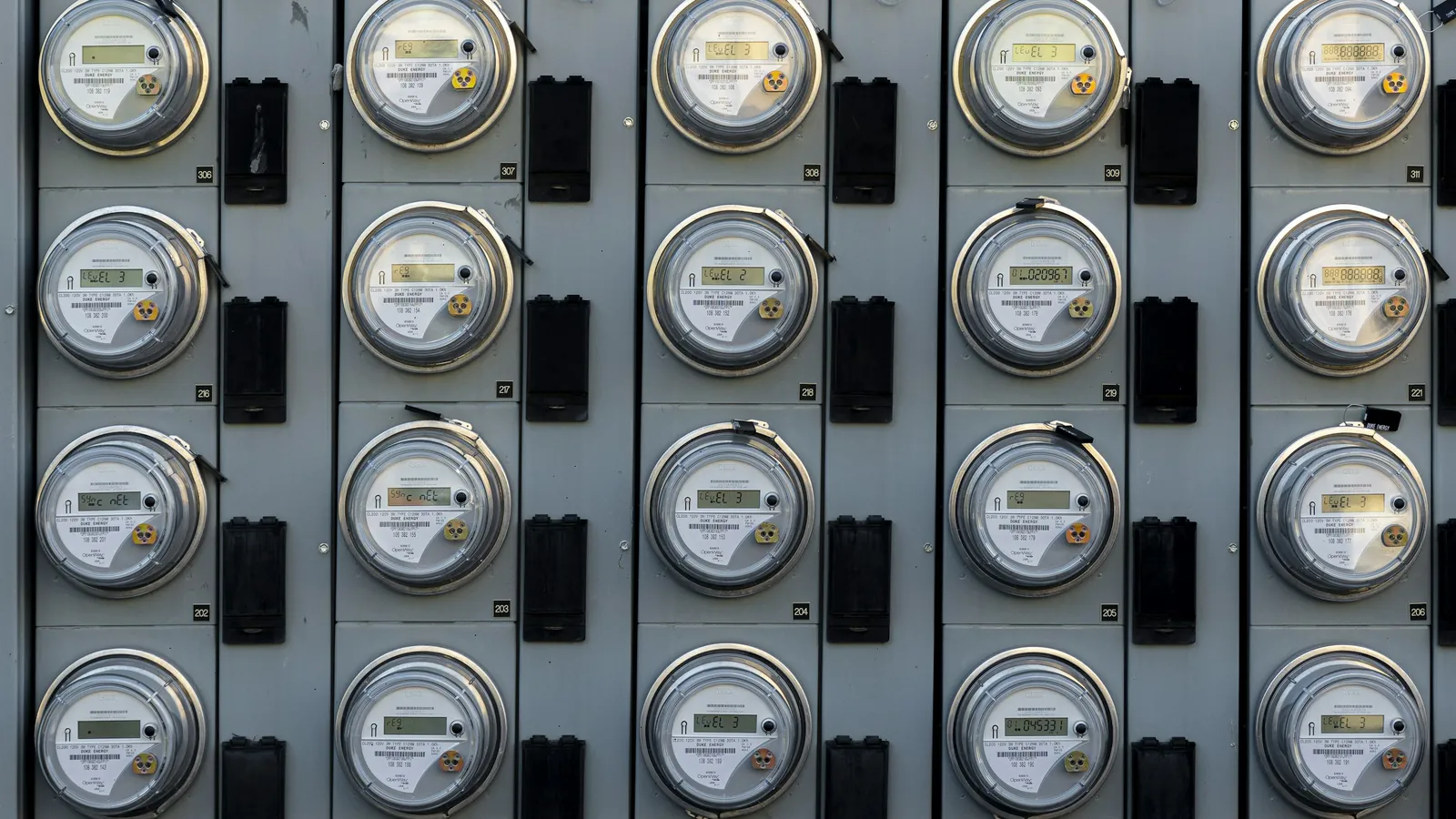
An SII cloud connector is the software that automatically downloads electricity and gas metering and master data files from the Integrated Information System platform, checks them and stores them in a ready-to-use database. It replaces manual downloads and home-made procedures: data arrives complete, checked and in the correct version, for every flow and for both commodities. At MAS Consulting it is the first step of FAST, the software for consumption monitoring and forecasting.
The SII as the single source of metering data
The SII, managed by Acquirente Unico, is the data exchange point between distributors and suppliers. With ARERA resolution 594/2017/R/eel it became the single interface for making electricity metering data available, on the cloud platform of the SII Manager; with resolution 271/2019/R/gas the same model was extended to gas, with PDR technical and master data and metering data. For a supplier this means one official source instead of many exchanges with individual distributors.
If you want to start from the basics, the guide to the SII, the Integrated Information System explains what the Official Central Register is and which processes go through the SII. Here we focus on a practical point: how to bring that data into your own systems, every day, with no manual work.
What data comes from the SII, for power and gas
- Electricity. Metering data for the PODs in the portfolio: load curves for hourly-treated points and for points with second-generation (2G) smart meters, time-band or single-rate data for the others, including later rectifications. On top of these come the master data needed for settlement, TIS.
- Gas. PDR metering data, periodic and linked to switching and changes of holder, including rectifications, with the technical data and master data for gas settlement, TISG.
Each accredited user only sees the data within its remit. Formats, file layouts and frequencies are set by ARERA and by the technical specifications of the SII Manager and vary from flow to flow: some metering data arrives every day, some once a month, some as a rectification of data already received.
Why manual download does not scale
Volumes. A portfolio of a few thousand points produces a continuous stream of files every month, across many different flow types for power and gas.
Different frequencies. Daily files, monthly files and rectifications coexist: missing a single day leaves a gap in consumption that nobody notices until month-end close.
Versions. A metering value can be replaced by a later one. You need to know which value is valid at any moment without losing the history, otherwise forecasts and margin checks start from the wrong numbers.
Two commodities, two logics. Power works by POD and hourly or quarter-hourly intervals, gas by PDR, days and Smc. Separate tools for power and gas double the work and make a single view of the customer hard to achieve.
How an automatic SII connector works
- Acquisition. The connector automatically picks up the files published in the SII folders for every flow type, without anyone having to download them.
- Checks. Every file is read and checked: files not imported or in error, missing data and anomalous consumption raise an alert instead of going unnoticed.
- Storage. Metering data ends up in a single database, at the meter's finest granularity, with rectifications handled and history preserved.
- Master data alignment. Supply points are compared with the official master data, TIS and TISG, and with the master data in internal systems.
- Distribution. Actuals and forecasts flow to the systems that use them: pricing, ETRM, gas logistics, BI.
FAST: the multi-commodity SII connector by MAS
FAST is built for those who sell and buy electricity and gas and need reliable data every day. The connector is part of the product: an import module integrated with the SII folders automatically stores the published XML files, for every flow type and for both commodities.
- No manual downloads. Files arrive on their own and can be consulted straight away, in the cloud, with no installation at the customer's site.
- Power and gas together. PODs and PDRs in the same view, with drill-down to the quarter-hour for power and to the day for gas.
- Automatic checks. Alerts on distributor files not imported or in error, missing data, anomalous consumption and deviations between forecast and actuals, with user-configurable thresholds.
- Official master data. TIS and TISG processed and compared with QUE MAS or other systems in use, so everyone works on the same portfolio.
- History and rectifications. Data at the meter's finest granularity and forecast versions kept, so every number can be traced back.
- Independent and easy to integrate. FAST also works on its own and passes the data to any pricing system, ETRM or BI tool.
What SII data turns into
Downloading the data is only the start: the value lies in what you do with it next.
- Consumption monitoring. The Actuals section shows consumption by customer, point and segmentation category, with deviations from previous periods and contract data.
- Forecast. On the verified metering data FAST calculates long-term forecasts for offers, renewals and portfolio analysis and short-term forecasts for scheduling and bidding. The machine learning model developed by the MAS R&D team improves 30-day forecast accuracy by 38% compared with the native algorithm.
- Offers and margins. Forecasts and actuals, with metadata such as the completion percentage, flow to QUE MAS Corporate or to another pricing system, to price the customer's real profile and check the margin.
- Scheduling and bidding. The withdrawal forecast feeds ERGObid, the bidding module of ERGO Suite, or any ETRM already in use, to reduce imbalances.
- Gas logistics. Actual and estimated gas volumes go to LAGO for logistics, settlement and invoicing.
How to choose an SII connector
- It covers all the flows you need, for electricity and gas, not just periodic metering data.
- It handles rectifications without overwriting the history.
- It flags missing files, errors and anomalies, with thresholds you can adjust.
- It stores data at the finest granularity of the meter.
- It integrates with the systems you already use, without forcing you to replace them.
- It is cloud-based, so updates and new versions of the file layouts do not weigh on your IT.
To see FAST at work on your power and gas SII flows, request a demo.
Frequently asked questions
What is an SII connector?
It is the software that automatically picks up from the SII cloud platform the files made available to an operator, such as the metering and master data of electricity and gas supply points, checks them and stores them in a database, with no manual downloads.
What data can be downloaded from the SII?
An accredited user receives the data within its remit: for electricity, POD metering data, including rectifications, and the master data for settlement; for gas, PDR metering data, data linked to switching and changes of holder, and the master data for settlement. Formats and frequencies are defined by ARERA and by the technical specifications of the SII Manager.
Why do you need an automatic connector rather than manual download?
Because there are many files, they arrive at different frequencies for each flow and commodity and can be rectified over time. A manual process leads to missing files, duplicates and wrong versions, which only come to light when the forecast or the invoice does not add up.
Does an SII connector handle both power and gas?
It has to: power and gas metering data have different granularity, units and master data, but they feed the same processes. FAST imports both commodities for every flow type, with the official TIS master data for power and TISG for gas.
How is the data downloaded from the SII used?
To monitor customer consumption, calculate long-term forecasts for offers and renewals and short-term forecasts for scheduling and bidding, check margins and align internal master data with the official records.
Does FAST work without the other MAS solutions?
Yes. FAST is an independent cloud product: it imports and checks SII data and passes forecasts and actuals to QUE MAS, ERGO or any pricing system, ETRM or BI tool already in use.
Talk to us
Want to see ERGO at work on your data?
A demo with the people who develop the product, on a case similar to yours. No commitment.