
A Power Purchase Agreement is a long-term contract under which a producer sells energy to a buyer on terms defined in advance. Here are the main types, the benefits for both parties and what it takes to manage them well over time.
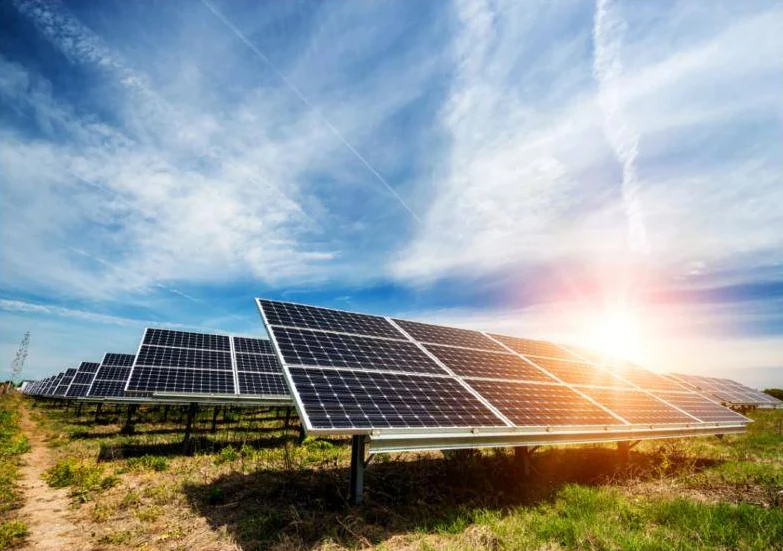
A Power Purchase Agreement (PPA) is a contract between two parties, usually an energy producer and a consumer, that sets out the terms for the sale and purchase of electricity over a multi-year period. It is a key instrument in the development of renewables such as solar and wind, because it guarantees the long-term sale of the energy produced.
Types of Power Purchase Agreement
PPAs adapt to the needs of the parties involved. The three main types are:
- On-site PPAs. Producer and consumer are physically close: the plant sits behind the consumer's meter, usually on the company site, eliminating energy transport costs. It is the ideal solution for those who have space to host a plant but prefer to outsource investment and operating risks, fixing the energy price for the duration of the contract.
- Off-site PPAs. When space is lacking or there are logistical or environmental constraints, the energy travels over the public grid. The producer can site the plant in the most favourable locations or use existing plants, and a single plant can serve several customers.
- Sleeved PPA. It is a variant of the off-site PPA in which an intermediary manages the energy and money flows between producer and consumer. If the renewable energy does not cover demand, the intermediary supplies the additional energy and manages surpluses and green certificates.
The benefits for producers and buyers
For the producer, the PPA makes future revenues predictable and reduces exposure to market risk. Knowing the payback period in advance is essential to secure the financing needed to build large plants: part of the risk is transferred to the buyer (off-taker).
For the buyer, the fixed price allows long-term planning without building your own plant. Buying renewable energy that is tracked and certified contributes to the company's decarbonisation and ESG reporting targets.
Managing a PPA: from price to invoice
A PPA does not end with the signature. Throughout the contract term you need to manage delivery profiles, volumes, any fixing of price shares, guarantees of origin and invoicing that is often more complex than for standard offers. These are exactly the steps where spreadsheets and manual processes cause errors.
With QUE MAS Suite PPAs are managed like other corporate contracts: QUE MAS Corporate calculates the price on updated curves, ERMES lets the customer independently fix portions of volume within the risk policies and Billing Bridge pre-calculates the amounts of complex offers and PPAs for invoicing systems.
Conclusions
Beyond the financial and operational benefits, PPAs offer strategic advantages: they can be tailored to the needs of producers and consumers, make renewable energy consumption traceable and support the growth of clean sources. They are a win-win solution, provided they are managed with the right tools throughout the contract life cycle.
Talk to us
Want to see QUE MAS at work on your data?
A demo with the people who develop the product, on a case similar to yours. No commitment.